Maximizing Cooperation and Participation through Well-Integrated Virtual Presence Technologies in Meeting Spaces
Wiki Article
Remote communication solutions have transformed the way organizations conduct meetings and group activities. Advanced platforms allow team members to interact clearly across various sites, bridging geographical barriers that historically limited team interactions. Advanced sound and visual capabilities ensures that conversations are not only heard but also graphically displayed, which assists groups retain focus and engagement. Through integrating these platforms into meeting spaces, organizations can simulate physical meetings, creating distance cooperation more seamless. Additionally, solutions often include capabilities such as content sharing, document annotation, and digital boards, which improve the ability to manage joint initiatives in live.
The layout of a conference room assumes a critical part in the success of remote systems. Effective visual setup, audio design, and layout of seats enhance to a more immersive virtual experience. For example, uniform lighting minimizes shadows and clarifies visual output, while sound management prevent echoing and ambient sound, boosting sound clarity. Ergonomic seating and optimized room setups help attendees to stay focused during extended meetings. These room elements, paired with advanced platforms, create a space that supports full engagement and continuous attention.
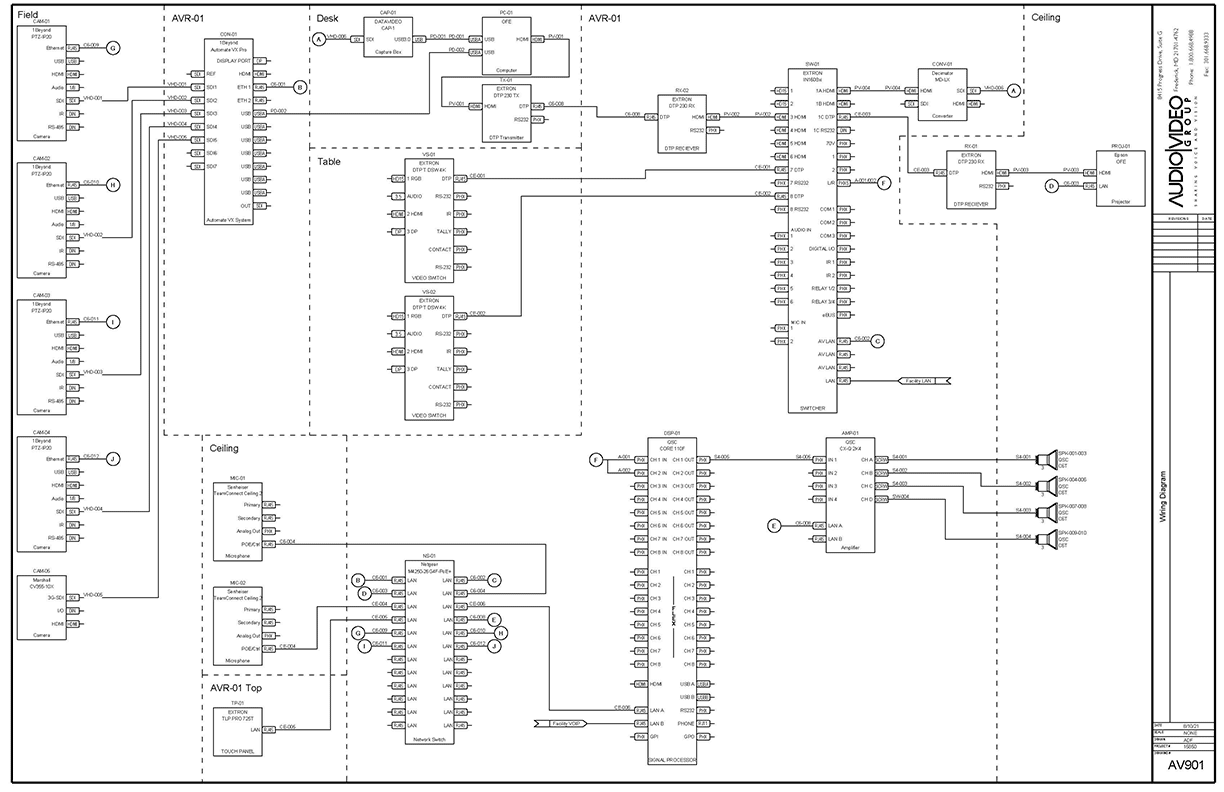
Efficient telepresence platforms depend on easy-to-use features and intuitive controls. When users can smoothly handle sessions, change presentation modes, view website or exchange documents without technical difficulties, discussions proceed more efficiently. Support and guidance are important, as even the most modern platforms will struggle if users are uncertain about their use. Companies often establish protocols for telepresence meetings, describing best practices for initiating calls, displaying information, and encouraging input from all team members. These procedures ensure effective collaboration and prevent delays during group discussions.
Synchronization with other software platforms enhances virtual systems in discussion areas. For example, connecting telepresence platforms with project management software, online storage, or messaging tools permits teams to retrieve files and synchronize data instantly. Team tools like cooperative boards, real-time feedback, and real-time communication enhance team engagement, making sure that virtual and on-site attendees contribute equally in discussions. These integrations enhance workflow efficiency, reduce redundancies, and help maintain alignment among team members, irrespective of their site.
view it now
In conclusion, organizations that invest in effective systems gain significant outcomes in both teamwork and involvement. Groups report improved morale, faster decision-making, and enhanced results when connection is smooth and engaging. Through combining sophisticated platforms, thoughtful conference room design, easy-to-use interfaces, and strategic integrations, organizations establish an space where attendees remain involved, informed, and motivated to contribute. Over time, these improvements produce stronger team cohesion, more innovative solutions, and a more efficient workplace in total.